Thank You
To the writers who gave me permission to use their words as epigraphs. Thank you, Wangkatja Tjungula Aboriginal Corporation and the Mount Margaret Remote Community School, representatives of the Wangkatja people, including elders and high schoolers, who agreed to check that reference in the book to their culture is both accurate and respectful. Thank you also to Ellie at Native Title Service Goldfields and to the State Library of Western Australia in Perth, for helping me find the right people to ask and to my supporters, who helped finance the writing and production of this book by pledging in advance. And thank you to everyone who helped finance the writing and production of this book by pledging in advance.
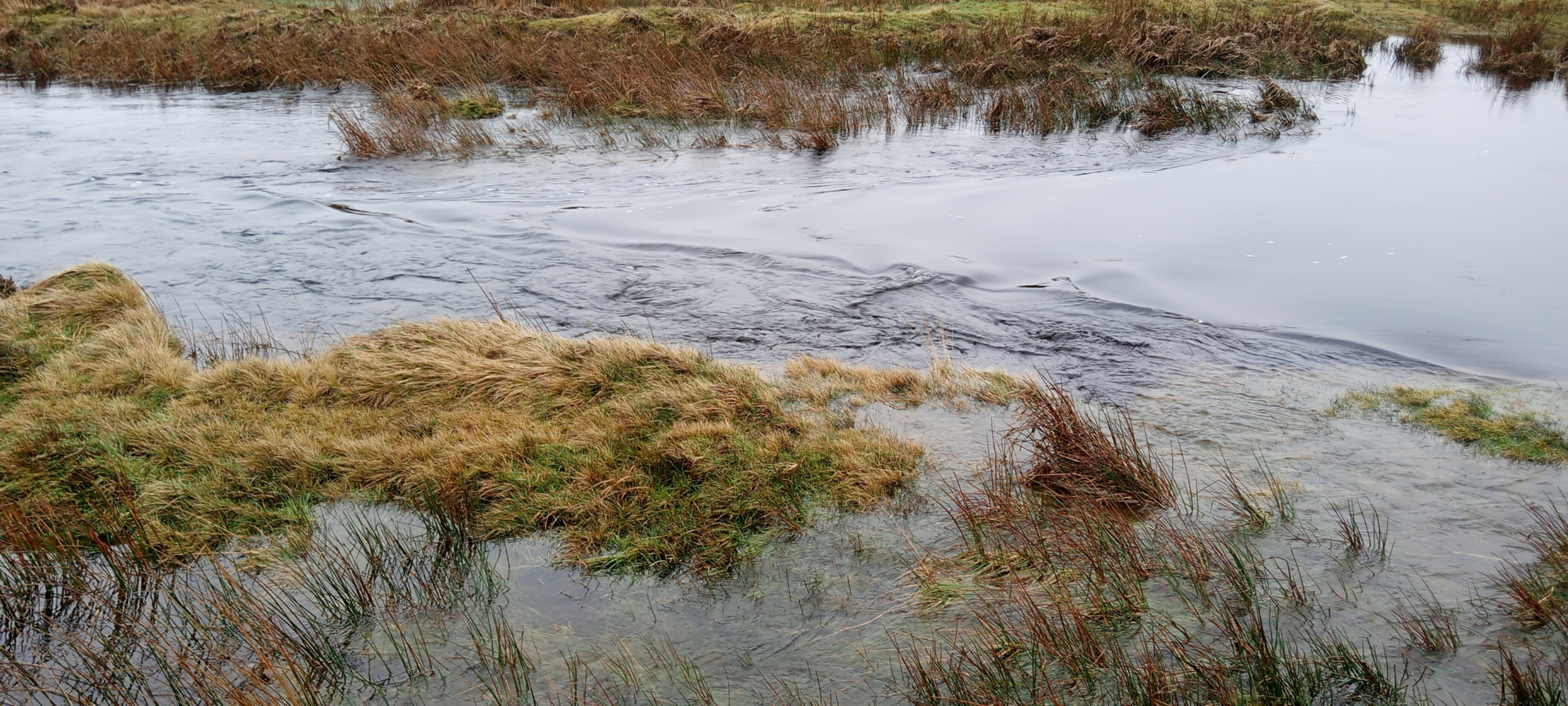
"Out on the moor, beyond the popular paths and picnic places and the sound of traffic, where the air is clear and the water pure, lies the Mare Pool. It is a bleak and inhospitable place in March. It waits for spring in monochrome and the wind whistles across the marshland and the snipe calls. There is no road to the Mare Pool, but underneath the pale winter sky and between clumps of reed, the softer music that you may sometimes hear is water, bubbling out of the peaty ground. Here, between granite and blanket bog, the first rivulets of water gather. By the time they reach the edge of the Mare Pool, the rivulets have become three streams. These streams chose their different paths a long time ago, each found openings in the terrain, collected water from the hills, each was destined to become a river."
Frequently Asked Questions
What is this page thanking people for?
This page thanks the writers who gave permission for their words to be used as epigraphs, the Wangkatja Tjungula Aboriginal Corporation and the Mount Margaret Remote Community School for checking that references to their culture are accurate and respectful, and everyone who helped finance the writing and production of the book by pledging in advance.
Who checked the cultural references in the book?
Representatives of the Wangkatja people, including elders and high schoolers, agreed to check that the reference in the book to their culture is both accurate and respectful. Ellie at Native Title Service Goldfields and the State Library of Western Australia in Perth also helped in finding the right people to ask.
How was the book funded?
Supporters helped finance the writing and production of the book by pledging in advance.
Where can I find out more about the book?
You can read about the novel on the The Reporter page, see what readers and reviewers have said on the Reviews page, and find out how to order a copy on the Buy a Book page.
Who is Rachel Francis?
Rachel Francis is the author of The Long Acre and The Reporter. You can read more about her background on the About Rachel page.